A day away from home can be easier to organize when you begin with the routine you already know. The goal is not to create a perfect travel system or predict every inconvenience. It is to notice what you normally reach for, decide how you will keep those items available, and identify a few realistic alternatives if the schedule changes. That approach can be especially useful when a museum visit, family gathering, volunteer shift, or scenic drive lasts longer than expected. Your medication, monitoring, food, hydration, and emergency needs are individual. Use the current instructions for each product and the plan you developed with a qualified health professional rather than copying another person's packing list.
Start With Your Real Routine
Begin by looking at an ordinary day, not at a generic travel checklist. What do you actually use between leaving home and returning? Your answer might include medication, a meter or reader, charging equipment, treatment supplies specified in your personal plan, water, a snack you already rely on, identification, and a way to contact someone. Another person may need a very different set of items. The useful list is the one that reflects your own care routine and the current instructions for your products.
A quick inventory can be done the evening before. Place the items together, check package condition and expiration information where relevant, and confirm that devices have the power or accessories they require. This is an organizational review, not an invitation to change a dose, schedule, or treatment method. Questions about what you medically need, including what to do when meals or activity differ, belong with a qualified clinician who knows your care.
Use a Time Window Instead of a Vague Plan
Write down the earliest plausible departure and the latest reasonable return. Then compare that window with the parts of your routine that may occur while you are away. A three-hour garden visit and a twelve-hour family reunion create different access questions. If the day could extend into an evening meal or a long drive home, acknowledge that possibility before packing. You do not need to assume it will happen; you only need to decide what would make the delay manageable.
For a hypothetical example, Marcus, age 58, plans to meet a former coworker at a historical site. His usual pouch covers the planned afternoon, but the site is outside town and the last tour sometimes runs late. Marcus adds the charging cable approved for his device, confirms where he can sit privately if he wants to check something, and saves the address of a nearby pharmacy. He does not alter his treatment. He simply makes the routine he already follows easier to continue.
Choose Access Over Perfect Packing
The most complete bag is not helpful if the item you need is under coats in a locked trunk. Arrange supplies according to when and where you may use them. Frequently needed items can stay in a clearly recognizable pouch within reach. Less immediate backups can occupy a second compartment. If you are traveling with another person, decide whether you want anything placed in that person's bag. Do not transfer essential items without making sure you can retrieve them independently.
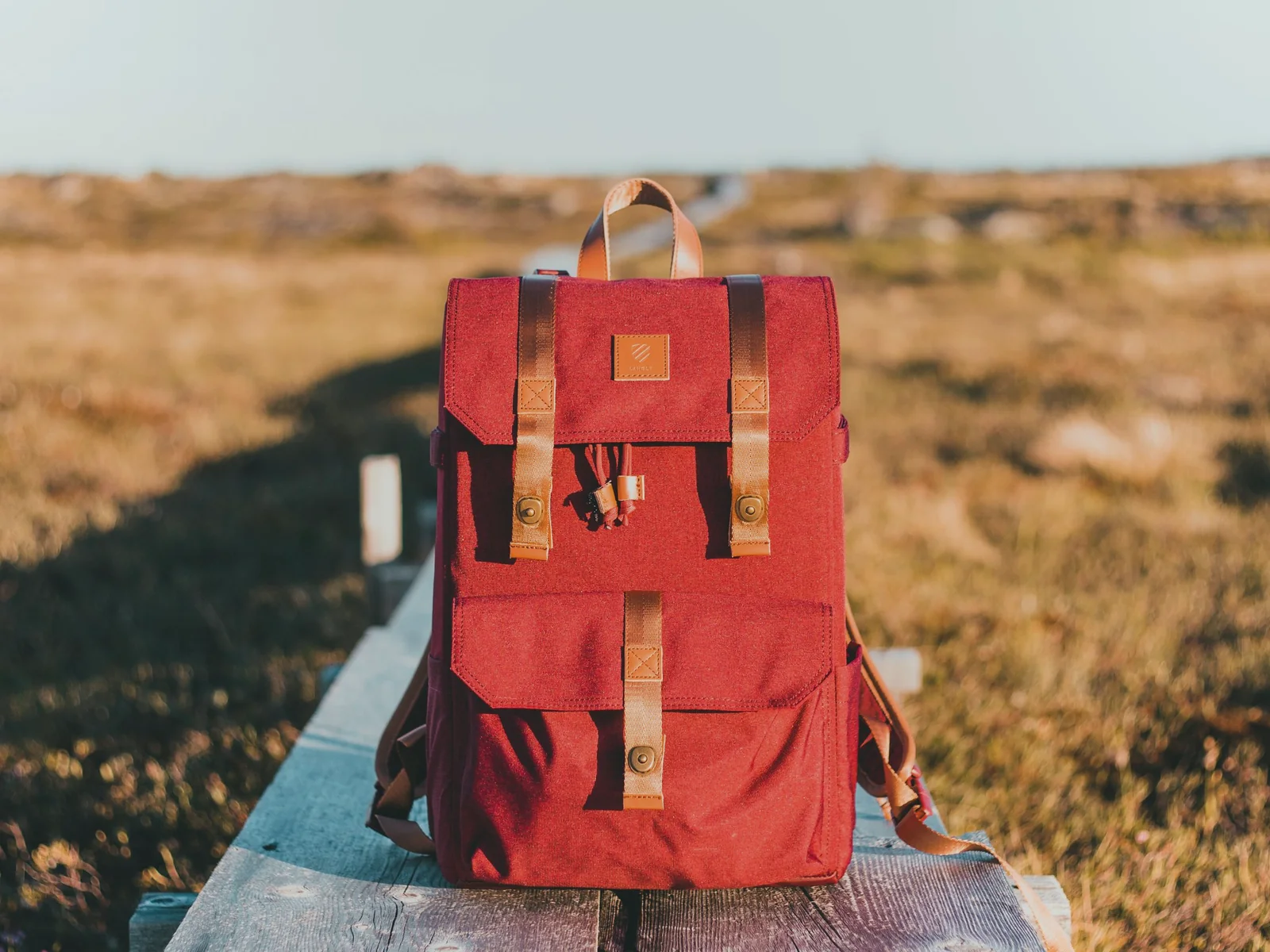
Consider the physical demands of the destination. A shoulder bag that works at a restaurant may become uncomfortable during a long walking tour. A compact backpack, waist pack, or small rolling bag may be more practical, depending on mobility, balance, and personal preference. The choice is not about looking like a traveler with diabetes. It is about reliable access without unnecessary strain.
Make Items Easy to Identify
Keep original labels or other clear identification when applicable, and avoid loose, mystery items. A simple internal label such as daily items, backup, or charging can reduce searching. If several people in your household use similar equipment, add a name or another distinguishing mark. Keep written product and clinician contact information somewhere available even if your phone battery fails. Follow manufacturer directions for carrying, protecting, and storing each medication or device.
Privacy remains your choice. A medical pouch can be discreet without being hidden so deeply that it is inaccessible. A companion does not need a full explanation merely because you brought supplies. You can say that the pouch needs to stay with you and that you will handle it. If you want help, name the specific task rather than surrendering control of the whole bag.
Plan for Changes Without Predicting Everything
Day trips change for ordinary reasons: parking is farther away, a ferry is delayed, a grandchild wants one more hour at the zoo, or a restaurant closes early. Select two or three changes that would matter most to your access. You might identify a quiet place to sit, an alternate meal location, a return route, a restroom, or a place to obtain water. Check current hours directly with the destination because online summaries and old reviews can be wrong.
Weather deserves the same practical attention. Do not rely on a universal temperature rule for all diabetes products. Read the current label and manufacturer guidance for the exact medication, sensor, meter, pump, battery, or accessory you use. Think about exposure in parked vehicles, direct sun, precipitation, and prolonged cold. If you are uncertain whether an item was stored safely or still works as intended, contact the manufacturer, pharmacist, or another qualified professional rather than guessing.
Agree on a Simple Check-In
If someone is joining you, decide in advance what kind of check-in feels useful. One person may appreciate a neutral question such as whether a break would help. Another may prefer no reminders. A companion can know where your emergency information is without monitoring your meals, readings, or choices. The agreement should reflect your wishes and can change from one outing to the next.
Also decide what would cause you to leave early. This is not a medical threshold supplied by a website. It may be an access problem, damaged equipment, severe weather, fatigue, or any circumstance covered by your personal care plan. Knowing that leaving is an acceptable option can prevent an enjoyable trip from becoming a test of endurance.
Sources
Sources support general educational context. Product-specific and personal decisions require the current responsible source.